
“Panic diminishes the chances of survival; fear only magnifies the danger.”
The Self-Defence Division of Longinmura is designed to develop individuals who possess not only physical capability, but also clarity of mind, tactical awareness, and emotional control in moments of crisis.
True self-defence is not merely about physical confrontation. It begins with the ability to observe, understand, and anticipate danger before it escalates. Longinmura trains individuals to remain calm under pressure and to respond with precision, intelligence, and discipline.
This division focuses on developing a balanced combination of awareness, strategic thinking, physical control, and survival intelligence, allowing practitioners to protect themselves and others with responsibility and restraint.
Longinmura Strategic Self-Defence


In Longinmura, the first step toward mastery is overcoming fear.
When panic disappears and awareness emerges, the human mind and body begin to function with remarkable clarity.
And it is within that clarity that true self-defence becomes possible.
Philosophy of Self-Defence in Longinmura
Longinmura does not promote aggression or violence.
Its philosophy is rooted in awareness, prevention, and controlled response.
The first stage of training is learning to overcome fear and panic, because these two elements weaken judgment and reduce the chances of survival. When the mind remains calm, the body becomes more effective and decisions become precise.
In Longinmura, self-defence is understood as the intelligent protection of life.
Situational Awareness
Practitioners are trained to observe their surroundings with heightened awareness, recognizing potential risks and unusual behaviors before they become threats.
This includes:
Environmental awareness
Behavioral observation
Risk anticipation
Strategic positioning
Tactical Thinking
Longinmura develops the ability to think clearly under pressure. Participants learn how to evaluate situations quickly and make rational decisions even in stressful circumstances.
Training emphasizes:
Strategic assessment
Controlled decision-making
Rapid problem solving
Maintaining composure in critical situations
Precision Defensive Techniques
The physical aspect of Longinmura self-defence focuses on efficiency rather than force. Techniques are designed to neutralize threats using precise body mechanics, leverage, and anatomical understanding.
Key areas include:
Pressure point control
Escape and disengagement techniques
Close-range defensive responses
Balance and body coordination
Core Training Principles
Survival Intelligence
Beyond physical techniques, the program teaches practical survival principles that help individuals navigate unpredictable situations.
These include:
Urban survival awareness
Personal safety strategies
Environmental adaptation
Tactical movement and positioning
Psychological Control
A calm mind is the most powerful tool in self-defence. Longinmura trains individuals to maintain emotional stability, resist panic, and remain focused during moments of danger.
Participants develop:
Fear management
Stress resilience
Emotional discipline
Mental clarity under pressure
Purpose of the Self-Defence Division
The objective of Longinmura self-defence training is not to create fighters.
Its purpose is to develop responsible, aware, and capable individuals who can move through life with confidence and control.
A practitioner trained in Longinmura understands when to act, when to avoid conflict, and how to protect life with intelligence and discipline.
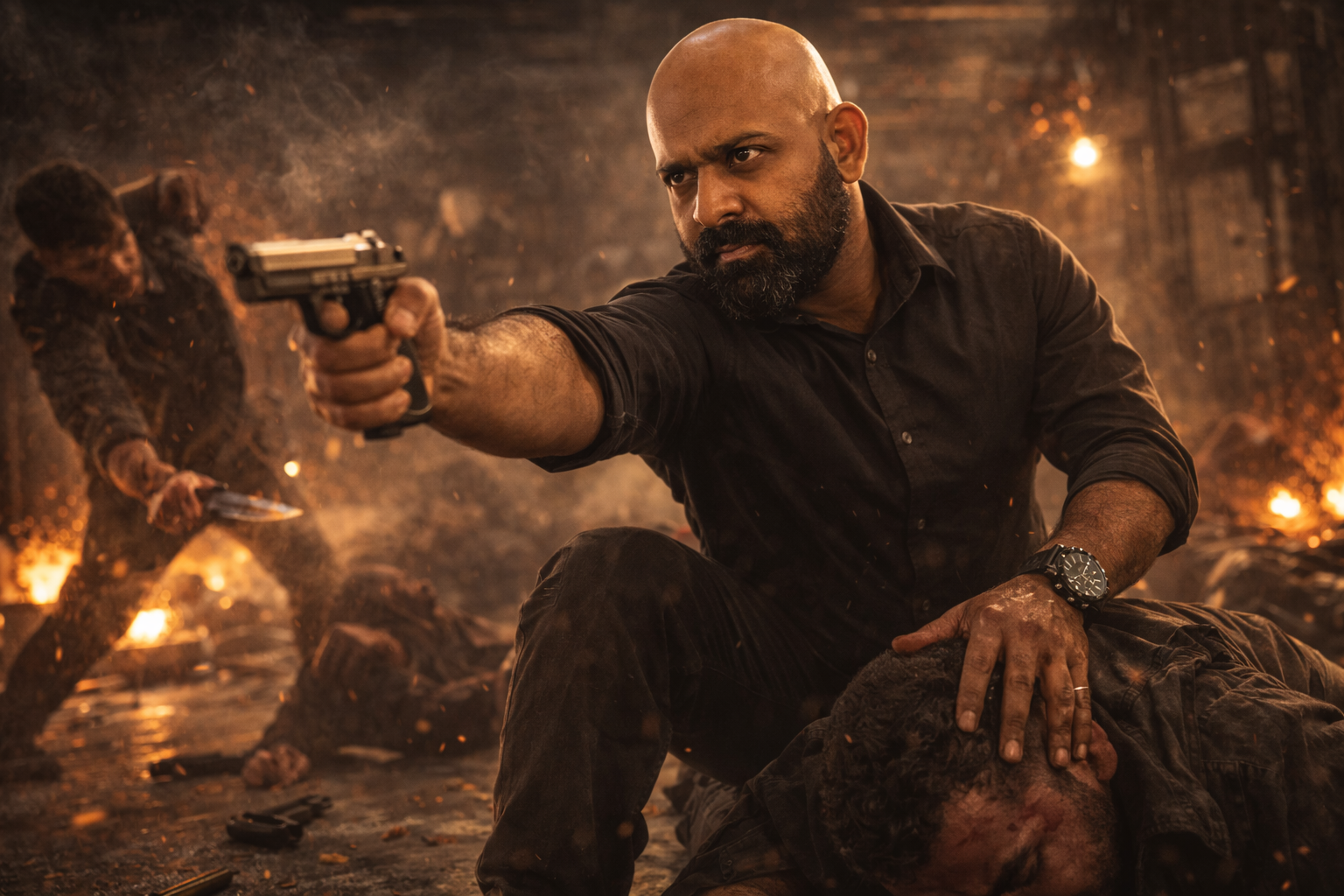
The Self-Defence Techniques of Longinmura
The self-defence system of Longinmura is founded upon a unique principle: relaxation, awareness, and intelligent movement rather than forceful resistance. Unlike many conventional martial systems that rely on strength, rigidity, or direct opposition, Longinmura emphasizes a relaxed, open-hand approach that allows practitioners to remain calm, responsive, and precise during physical confrontation.
At the core of this method is the concept of energy blending. Instead of confronting an opponent’s force with equal or greater strength, the practitioner learns to merge with the incoming motion and redirect it. By understanding timing, body mechanics, and the natural flow of movement, the practitioner can transform the opponent’s own momentum into a controlling advantage.
The Principle of Entrance
One of the most important foundations of Longinmura self-defence is the Entrance Technique. This method trains the practitioner to move closer to the opponent during an attack rather than retreating or resisting it. Through controlled movement and awareness, the practitioner learns to enter the opponent’s space at the correct moment, effectively neutralizing the threat.
This practice serves an important psychological function. By learning to move toward the source of danger with composure, the practitioner gradually overcomes the instinctive fear that often accompanies confrontation. Fear and panic are replaced with clarity and controlled action.
The Principle of Non-Blocking
A defining characteristic of Longinmura self-defence is the absence of blocking techniques. In Longinmura, practitioners are not trained to block attacks.
The reasoning behind this principle is both psychological and physical.
From a psychological perspective, the intention to block an attack often arises from fear of injury. This fear can cause hesitation and reduce the effectiveness of response. Longinmura training seeks to remove this reactive mindset by cultivating calm awareness and fluid movement.
From a physical perspective, blocking generally requires the defender to apply equal or greater force than the incoming attack. Due to differences in strength, size, or physical capability, this is not always practical or possible for every individual. Instead of opposing force directly, Longinmura techniques focus on positioning, movement, and leverage, allowing the practitioner to avoid the attack while simultaneously gaining control of the opponent’s structure.
By entering the opponent’s space and understanding the natural limitations of human body mechanics, it becomes possible to neutralize threats without relying on excessive strength.
The Seven Master Martial Techniques
The Longinmura self-defence system is structured around seven master martial techniques. Six of these are physical techniques, while the seventh is a psychological discipline that governs awareness, perception, and emotional control during conflict.
Each of these seven techniques symbolically corresponds to one of the seven endocrine glands of the human body. This relationship reflects the Longinmura philosophy that physical movement, internal energy, and human physiology are interconnected.
When a practitioner develops proficiency in all seven techniques, the body gains the freedom to move naturally and efficiently. At this level of mastery, the practitioner is able to adapt spontaneously to different situations, perform a wide range of martial movements, and manage multiple opponents approaching from different angles.
The Application Path Training Method
Longinmura also incorporates a specialized training system known as the Application Path. This training method is designed to deepen the practitioner’s understanding of body mechanics, human physics, and structural control.
Through this process, practitioners learn how principles such as mass, weight distribution, leverage, and balanceinfluence physical interaction. The Application Path develops the ability to handle and redirect the human body effectively during movement and confrontation.
This method provides practical insight into how motion, structure, and timing work together, allowing practitioners to apply Longinmura techniques with precision and efficiency in real-time situations.
“True self-defence is achieved not by opposing force, but by understanding it, blending with it, and transforming it into control.”
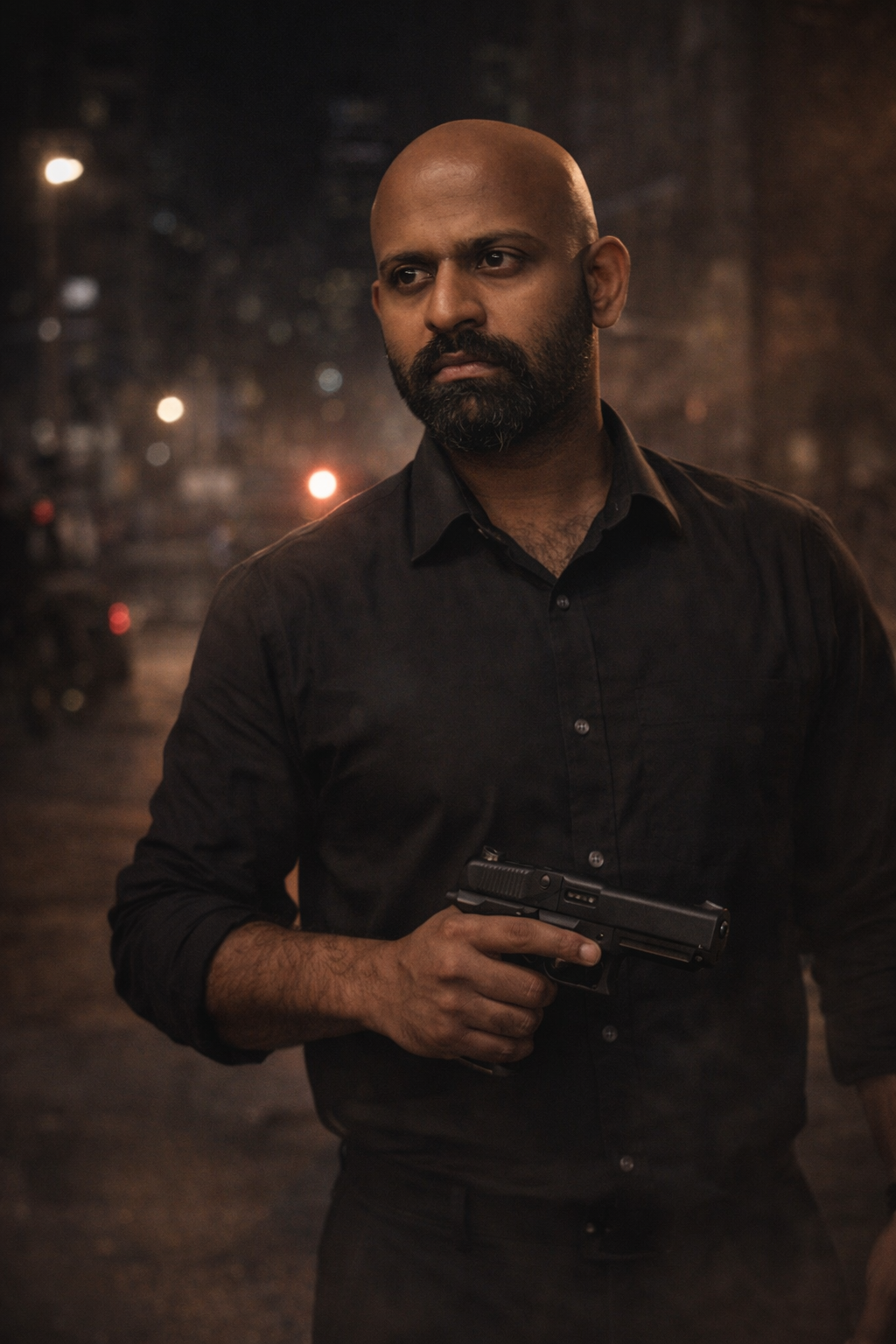
“In Longinmura, self-defence begins where fear ends; when the mind is clear, the body moves without resistance, and danger loses its power.”
Legal Awareness in Self-Defence
The Self-Defence Division of Longinmura is practiced with a deep respect for the legal frameworks governing the right of private defence across different countries and jurisdictions.
While laws may vary internationally, the fundamental principle remains consistent: every individual has the right to protect their life, body, and property when faced with an immediate and genuine threat. This right, however, is universally guided by the principles of necessity, proportionality, and responsibility.
Longinmura training is designed to align with these universal legal standards, ensuring that all practices emphasize ethical conduct, lawful response, and the intelligent protection of life.
Universal Principles of Legal Self-Defence
Regardless of location, Longinmura practitioners are trained to understand that:
The right of self-defence applies only in situations of immediate and unavoidable danger.
The level of force used must remain proportionate to the threat encountered.
The purpose of self-defence is to protect and disengage, not to retaliate or cause unnecessary harm.
Actions must always be carried out within the scope of local laws and societal responsibilities.
Use of Force and Strategic Control
Longinmura emphasizes control over confrontation. The system is structured to develop the ability to manage threats with minimal force and maximum efficiency, while maintaining composure and awareness.
Practitioners are trained to:
Evaluate situations with clarity and precision
Avoid escalation whenever possible
Apply only the necessary level of force required for safety
Disengage safely once the threat is neutralized
Ethical Responsibility in a Global Context
As an international discipline, Longinmura places strong emphasis on ethical responsibility and cultural awareness.
Practitioners are expected to:
Respect the laws and norms of the country in which they are present
Exercise discipline and restraint in all situations
Avoid misuse of techniques or knowledge
Uphold the values of respect for human life and social harmony
Institutional Commitment
Longinmura is committed to maintaining the highest standards of:
Legal compliance across regions
Ethical training practices
Personal accountability
Respect for global diversity and legal systems
The institution ensures that its teachings remain adaptable and responsible within the legal boundaries of each country where training is conducted.